How to Start an Online Store with No Inventory in 2026
Key Takeaways
- •Removing inventory risk replaces it with thin margins, less control and slower delivery
- •Dropshipping usually fails on arithmetic rather than execution, because ad costs exceed the margin per sale
- •Digital products have the best economics of anything in this list and the same startup cost as the others
- •Without capital your constraint is distribution, so the question is who you can reach rather than what you can sell
- •Order from your supplier yourself before selling anything, since they are your fulfilment and quality control and you have no visibility
Selling without holding inventory removes the largest risk in retail, which is buying stock that does not sell. It replaces it with three different problems: thinner margins, less control, and slower delivery.
Understanding which problem you have swapped for which is what makes the model work or fail.
The four models
Dropshipping
A supplier ships directly to your customer when you sell.
Capital: almost none. Margins: thin. Delivery: frequently slow, particularly from overseas suppliers. Control: minimal over packaging, quality and timing.
The honest problem: with thin margins and no differentiation, paid advertising costs more than the margin per sale. This is why most dropshipping fails, and it is arithmetic rather than execution.
Where it works: higher-priced products where the absolute margin is meaningful, with domestic suppliers and reasonable delivery times. See high-ticket dropshipping.
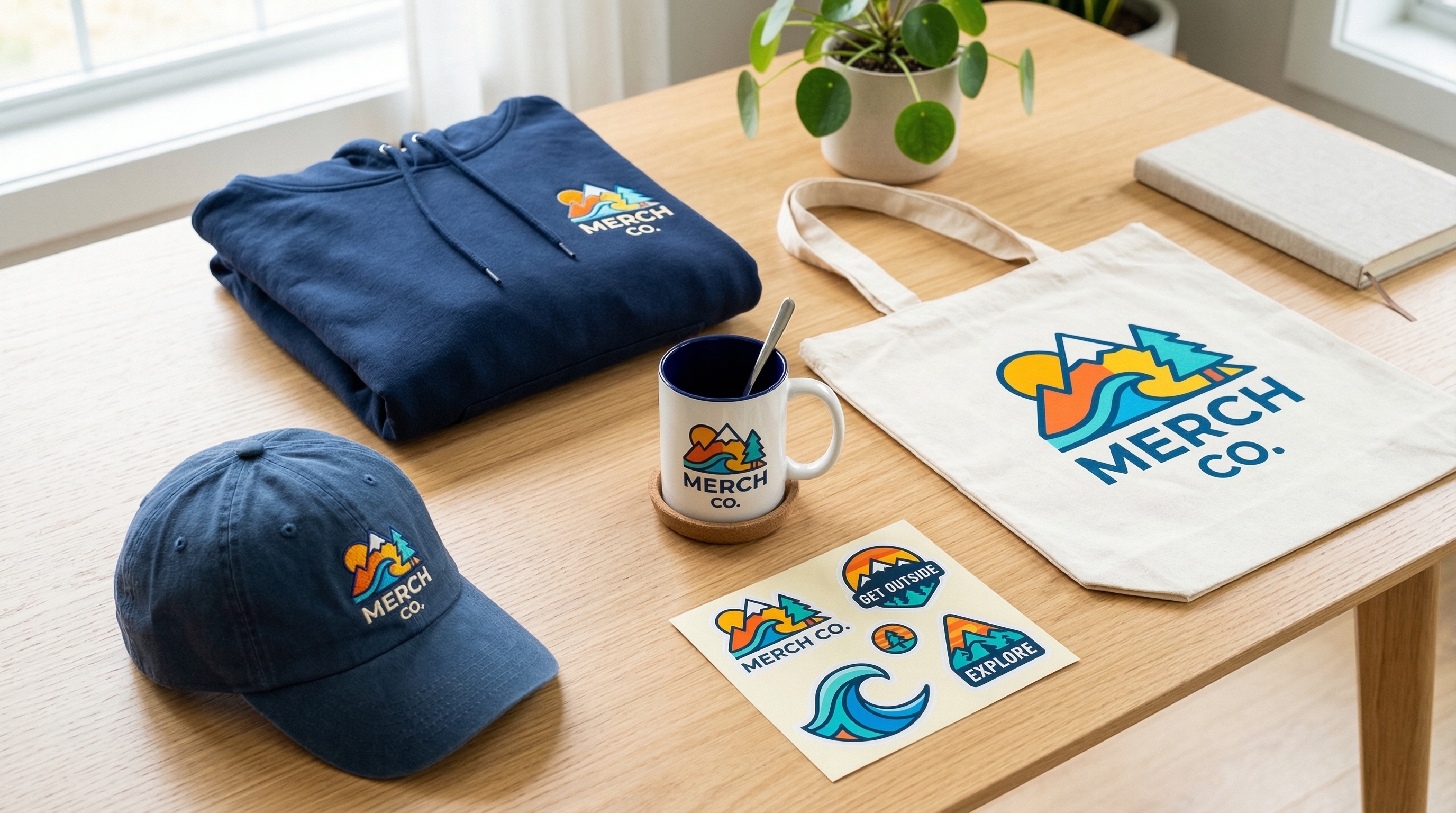
Print on demand
Your designs printed onto products when ordered.
Capital: none. Margins: thin but predictable. The differentiator is your design, which is genuinely yours, unlike dropshipping where the product is available to everyone.
Where it works: with an existing audience, or a strong niche design position.
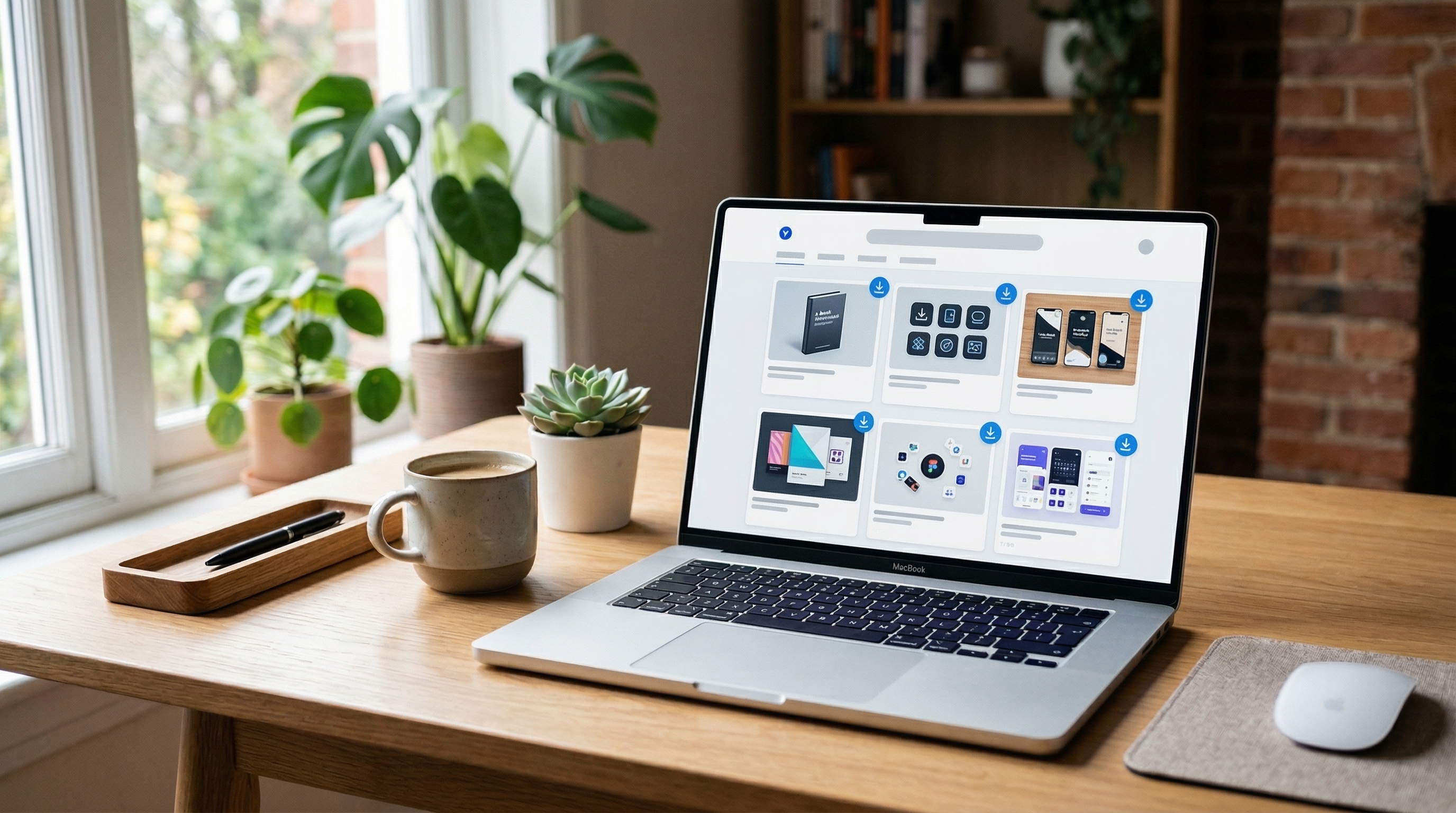
Digital products
Files delivered instantly.
Capital: none. Margins: near total. The constraint is distribution, entirely.
Why it deserves consideration first: it has the best economics of anything in this list and the same startup cost as the others.
Third-party fulfilment
You own the inventory; someone else stores and ships it.
Capital: required, since you buy the stock. Not technically no-inventory, but you hold none yourself. Better margins and control than dropshipping.
Choosing between them
| Capital | Margin | Control | Main constraint | |
|---|---|---|---|---|
| Dropshipping | None | Thin | Low | Margins vs ad costs |
| Print on demand | None | Thin | Design only | Distribution |
| Digital products | None | Very high | Total | Distribution |
| Third-party fulfilment | Real | Good | High | Capital |
The pattern: without capital, your constraint is distribution rather than money. Which means the question is not "what can I sell" but "who can I reach", and the answer to the second should determine the first.
The margin arithmetic that decides viability
Before committing to any product, work out:
- Product cost
- Shipping cost, which for dropshipping is frequently the largest hidden number
- Payment processing, three to four percent typically
- Platform fees
- Expected return rate and the cost of each return
- Customer acquisition cost
If the remainder is small, paid advertising cannot work, and you need free distribution: an audience, search traffic, or partners.
Most failed no-inventory stores skipped this calculation and discovered the answer through advertising spend.
The real constraint is attention
This is the part that gets least attention and determines everything.
With no capital and thin margins, you cannot buy customers. So you need one of:
- An existing audience, however small.
- Search traffic, which takes months and compounds.
- A community where your buyers already are.
- Partners and affiliates, who promote and are paid only when a sale happens. This is the one that costs nothing upfront and is therefore uniquely suited to a business with no capital. See how to start an affiliate program.
A store with none of these is a shop on a street nobody walks down.
Supplier selection, for dropshipping specifically
The supplier is your fulfilment, your quality control and your delivery times, and you have no visibility into any of it.
What to check:
- Order from them yourself. Non-negotiable. See what arrives, how it is packaged, and how long it takes.
- Actual delivery times to your customers' countries, not the advertised range.
- What happens when something goes wrong. Damaged items, wrong items, lost parcels. Get the answer in writing.
- Whether they dropship for your competitors, which they almost certainly do.
- Stock reliability, because selling something they do not have is worse than not selling it.
Setting expectations, which prevents most problems
The failure mode in no-inventory retail is not usually the product. It is the gap between what the customer expected and what happened.
- State delivery times honestly, including the slow case. Long delivery stated upfront is acceptable; discovered afterwards it is a dispute.
- Show real photographs where you can, not only supplier stock images.
- Answer support quickly, because you cannot fix a fulfilment problem and you can prevent a chargeback.
- Set a recognisable billing descriptor, since unrecognised charges are a major dispute source.
Where the money actually is
Acquiring a customer costs more than the margin on their first order, in nearly every version of this.
Which means:
- Email from the first order, since the second purchase is where profit lives.
- Repeat-purchase products beat one-off products substantially.
- Average order value through bundles and complements. See upselling versus cross-selling.
- A reason to return, whether new products, a community or a genuine relationship.
A realistic sequence
1. Decide who you can reach. This is the actual first step and almost everyone skips it.
2. Find out what that group wants, by asking rather than guessing.
3. Pick the model that fits: digital if the answer allows it, since the economics are far better.
4. Test with a small range and no commitment.
5. Order samples, always, for physical goods.
6. Build the email list from the first sale.
7. Add partners and affiliates, which is acquisition that costs nothing until it works.
The mistake is starting at step three, choosing a product because it looks profitable, and then discovering there is no route to anyone who wants it.
Written by Nina Kowalski
Nina is an educator and course creator who has generated over $2M in online course revenue.